
How to Host a Christmas Dinner Party (Menu, Table and Timeline)
A Christmas dinner party starts weeks before anyone sits down, so the best time to begin planning is before December fills up. Start early. Once the date is set and the guest list is settled, everything else can be done in a clear order. This list covers three parts of the evening: the menu, the table and the timeline. Each idea has its own image and a short note, so you can take what suits your home and your guests. Use them to plan ahead, break the work into small steps, and spend the night at the table with everyone else, not alone in the kitchen.
Center the Menu
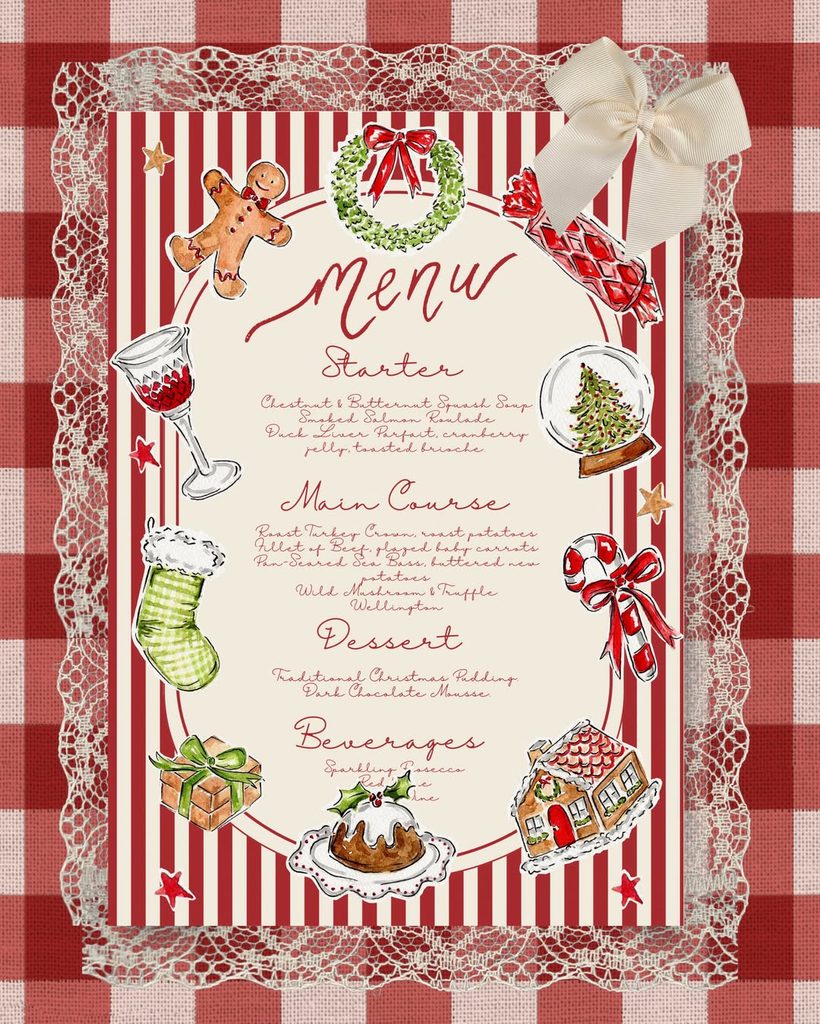
Between the plates, a menu card gives guests a reference point through dinner. Set it in the middle of the table, where the course list is easy to read, and let its colors echo the linens: red stripes against cream work with a red check cloth without requiring every place setting to match. List courses in the order they will arrive, with the main and dessert easy to find at a glance.
Without a written menu, guests have to ask what is coming next, and the table loses a useful visual anchor. Keep the lettering large enough to read from a seat.
Pink and Burgundy Menus
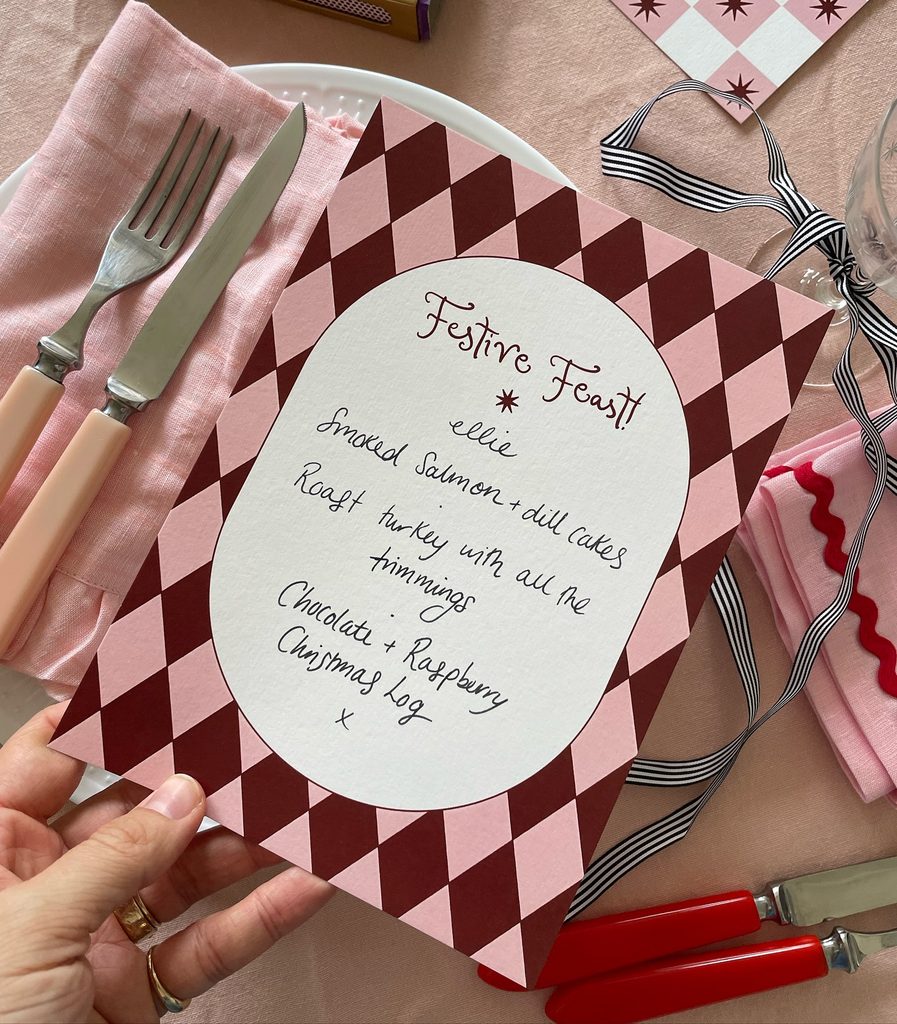
Print your Christmas menu with a pink and burgundy border instead of the usual red and green. Burgundy gives the pale pink enough contrast that the card doesn’t disappear against a light tablecloth. A diamond pattern makes the border part of the table decoration, so there’s less need for extra bits around each plate.
Leave a plain oval in the middle for the food, and use dark ink for the lettering. With this much pattern around the edge, the menu needs room to breathe. Write one course per line, with a little more space before dessert, rather than listing every side dish separately.
For a stronger contrast, choose a nearly white pink and let burgundy take up more of the border. A deeper pink will make the pattern less crisp. Print the cards once the dishes are settled, then add guests’ names by hand so they double as place cards.
Layer the Place Settings
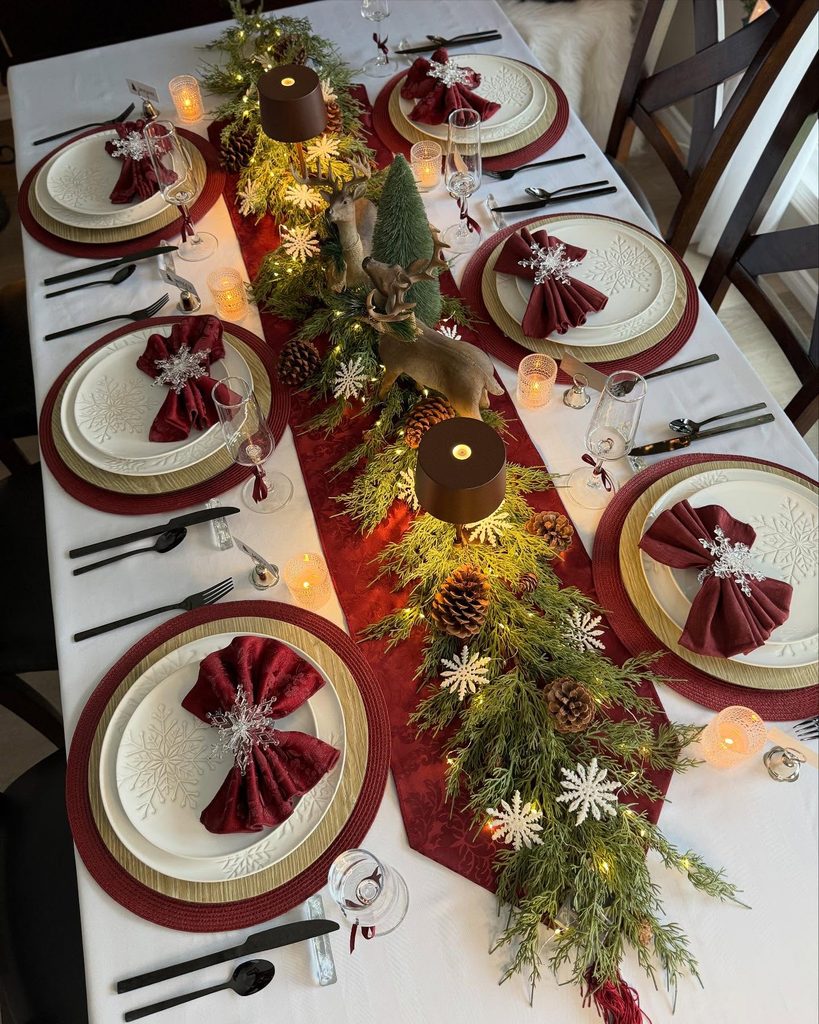
A place setting with three layers, a woven charger, a plate and a folded napkin on top, can get crowded fast. The usual problem is the table. Each guest needs about 24 inches of width, and with chargers, glasses and a knife and fork on each side, ten people at a standard table will be elbow to elbow. Count your seats against the table length before you buy anything.
Keep the colors to two or three. Red chargers, a gold ring under the plate and white plates with a pressed pattern give the eye plenty without any extra decoration.
Set the table the night before, but leave the glasses and candles until the day. Dust and wax drips show up on a white cloth. I’d also keep the napkin folds loose, because tight ones take time and guests tend to wreck them on the first sit-down.
Fir Garland Centerpiece
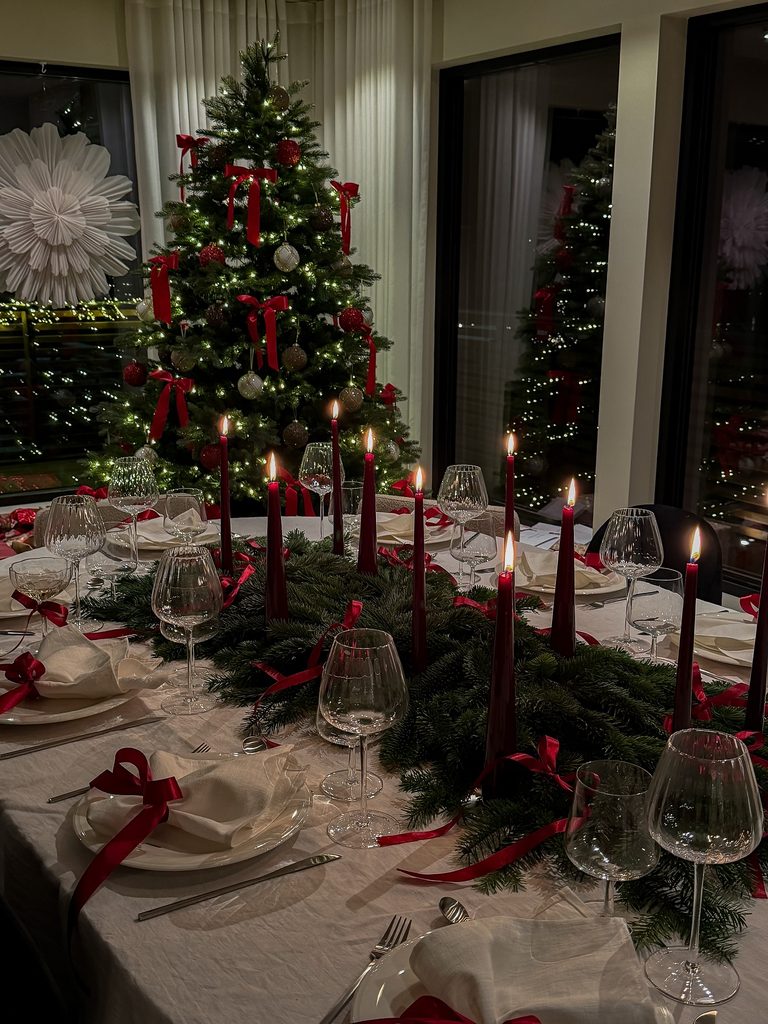
A fir garland running down the center gives a long dinner table a clear line without taking up each place setting. Lay it between the plates, leaving room at both ends for serving dishes and enough space in front of each guest for glasses and cutlery. Red ribbon tied into small bows brings the greenery into the rest of the table setting; use narrow ties so they do not crowd the plates.
This works best for a seated Christmas meal where guests stay at the table for several courses. Set candles in stable holders with open space around each flame, and keep loose branches and ribbon well clear of the wicks.
A Candlelit Table Runner
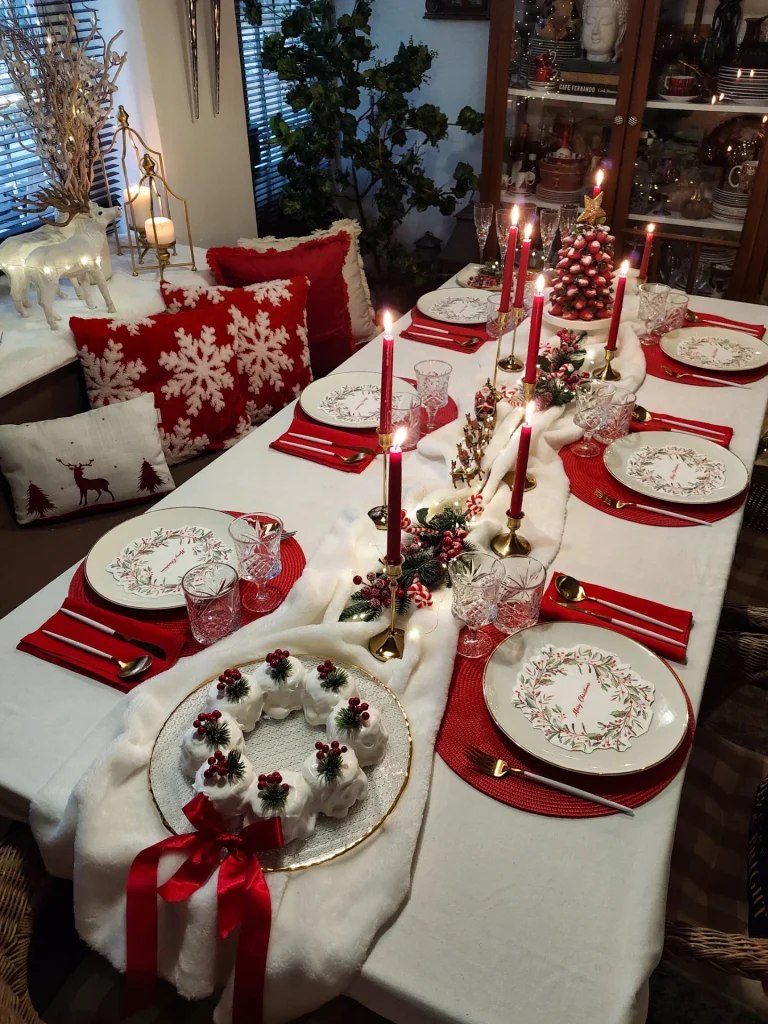
Set red taper candles along a white cloth runner if you plan to plate dinner in the kitchen. With the food arriving on individual plates, you can give the middle of the table to decorations rather than leave space for serving bowls.
For a small group who like to sit over several courses, this is worth setting up before you start cooking. Check each seat has room for a plate, glasses and cutlery without pushing anything into the runner. You should still be able to put down a gravy jug or water pitcher.
If your guests pass platters, reach across to help children or share lots of side dishes, choose a smaller centerpiece from the list instead. A full-length display takes up that serving space. Leave clear gaps around the candleholders, and keep flames well away from the cloth.
A Berry and Greenery Table Runner
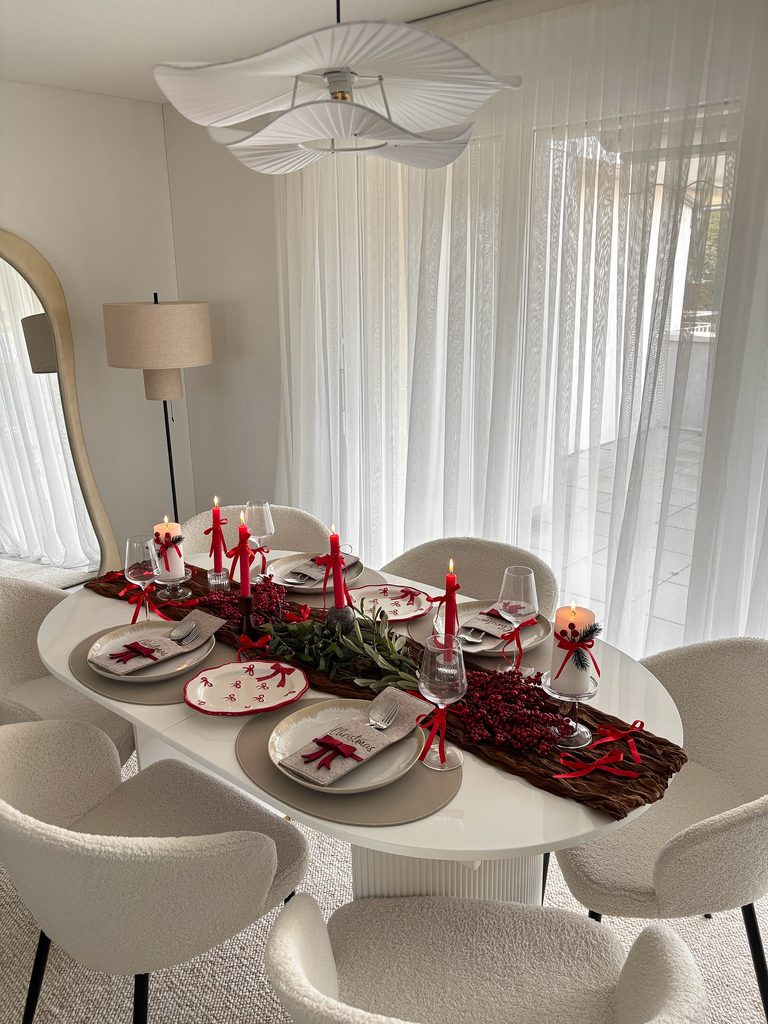
A runner down the middle of the table gives the candles, plates and glasses something to sit on, and it keeps the centre from looking empty. This one is a strip of crinkled brown fabric, with loose red berry sprigs piled along it and a few olive-like leaves laid between them. Red candles in small holders stand in the middle, and a few short lengths of red ribbon trail onto the tabletop.
If you don’t have a fabric runner, a length of brown paper, burlap or a long linen napkin folded flat will hold the same shape. Artificial berry stems are easy to find after the holidays, and you can cut them to length. For greenery, rosemary, bay or any evergreen clippings from the garden are enough. I’d keep everything low, below eye level, so people can see each other across the table.
Cranberry Orange Punch
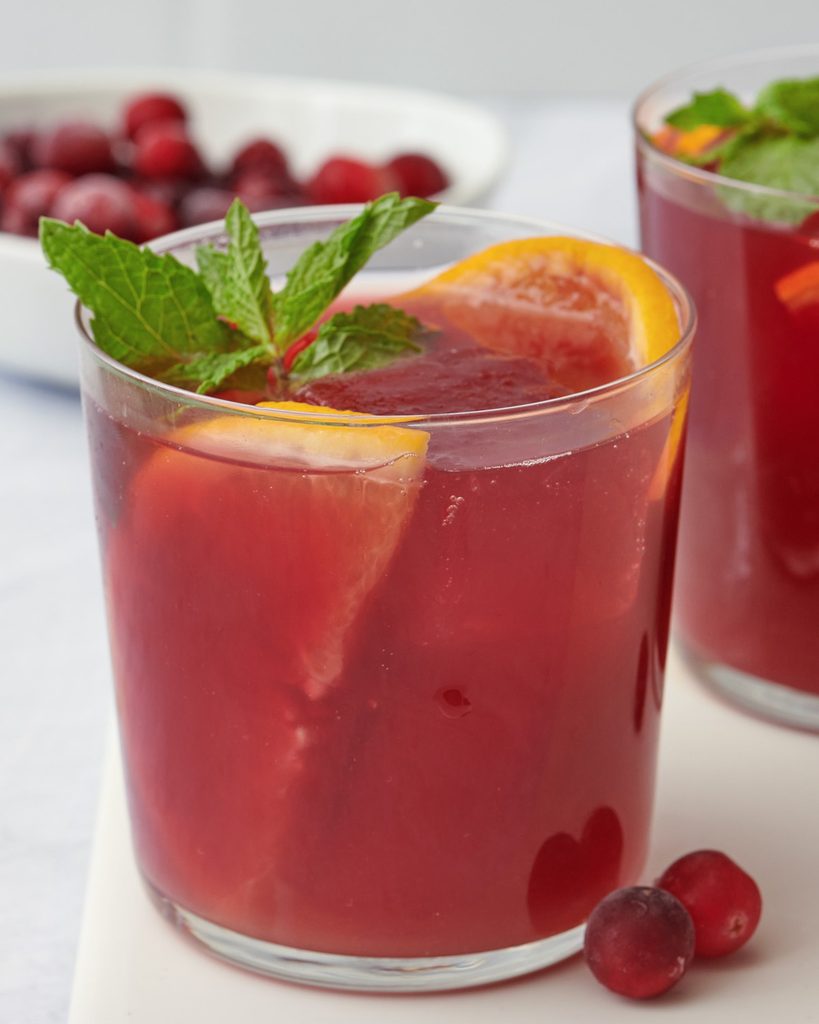
One large bowl of cranberry-orange punch can be ready before guests sit down, leaving only the garnish and ice for the last minute. The day before, mix the cranberry base and chill it in a covered pitcher. Cut the oranges and refrigerate them separately so they don’t soften in the liquid. If you’re serving a sparkling version, hold the bubbles back too.
About 20 minutes before dinner, pour the chilled base into a serving bowl or jug and add the orange slices. Set out glasses, then add ice just before pouring, since it melts quickly and thins the drink. Finish each glass with a mint sprig and a few cranberries. The key is keeping the base cold before it meets the ice, so you preserve the flavor without mixing drinks as the meal goes out.
Sparkling Apple Punch
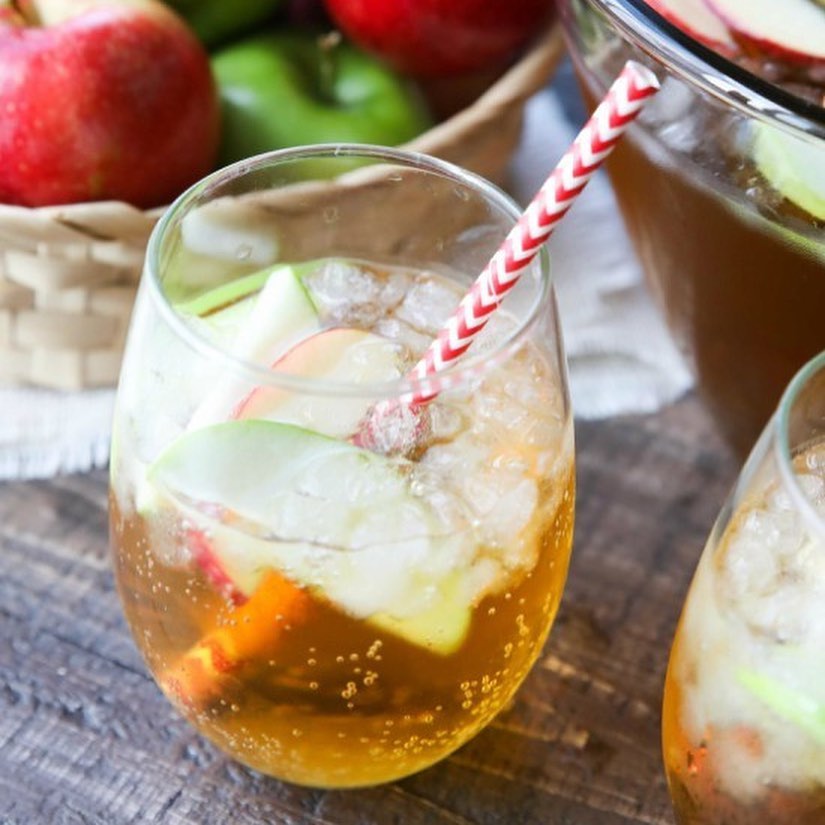
Set out a pitcher of sparkling apple punch for guests who like a fruity drink before dinner. Thin apple slices float among the ice without needing a separate garnish for each glass. If your group prefers dry drinks or you’re serving several sweet dishes, choose a less sweet option instead.
Cranberry Orange Welcome Drink
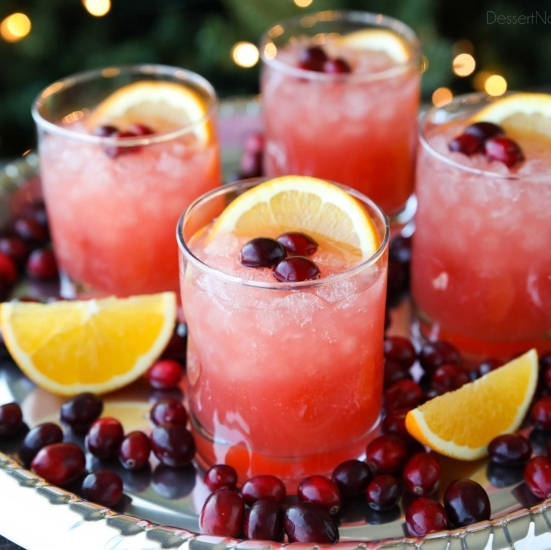
A pink, crushed-ice drink in short glasses gives guests something to hold the moment they walk in. The color is where you can adjust it. Mine would stay a pale coral like this one, made with plenty of orange juice, because a deep red cranberry mix turns tart and heavy before dinner. A lighter shade also keeps the floating berries visible on top.
Fresh cranberries and a thick orange wedge on each glass take a minute to add. Scatter extra berries around the tray, and make a few drinks without alcohol.
Spiced Eggnog for Guests
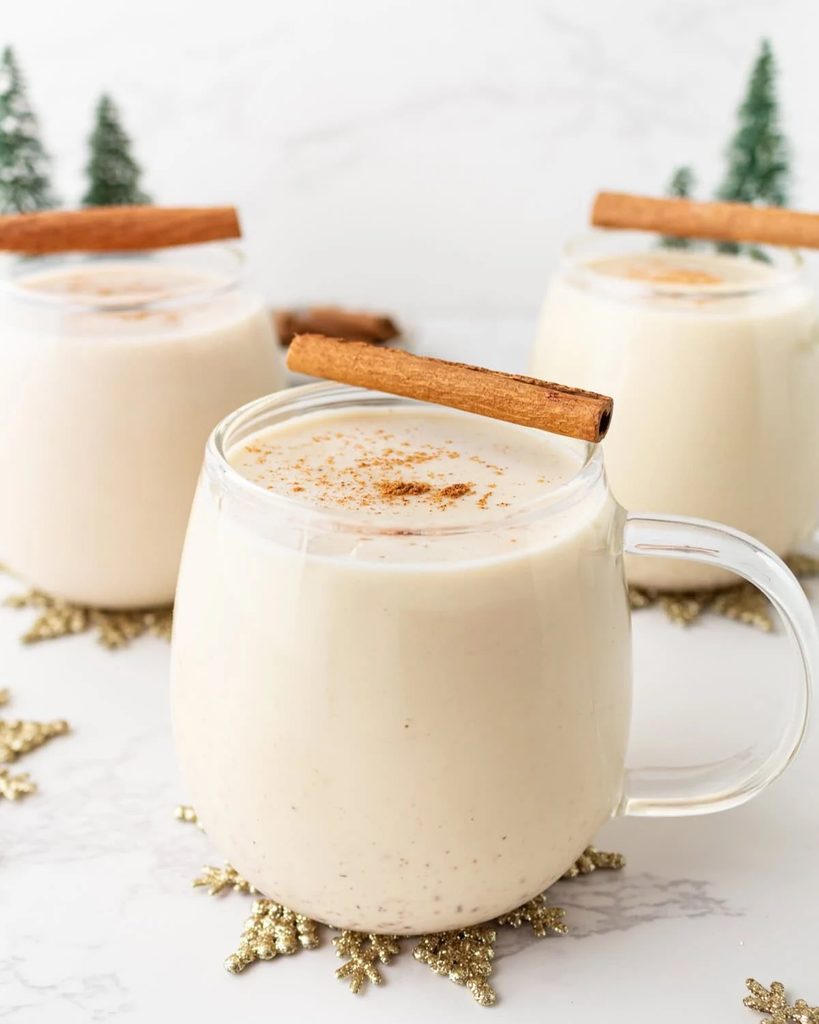
A batch of spiced eggnog gives guests something to sip while dinner finishes. Make it the day before and chill it in a covered pitcher; serving it cold is the step that matters most. Just before guests arrive, stir well, pour into small glass mugs, and dust each serving with nutmeg. Add a cinnamon stick as a stirrer.
Hot Chocolate After Dinner
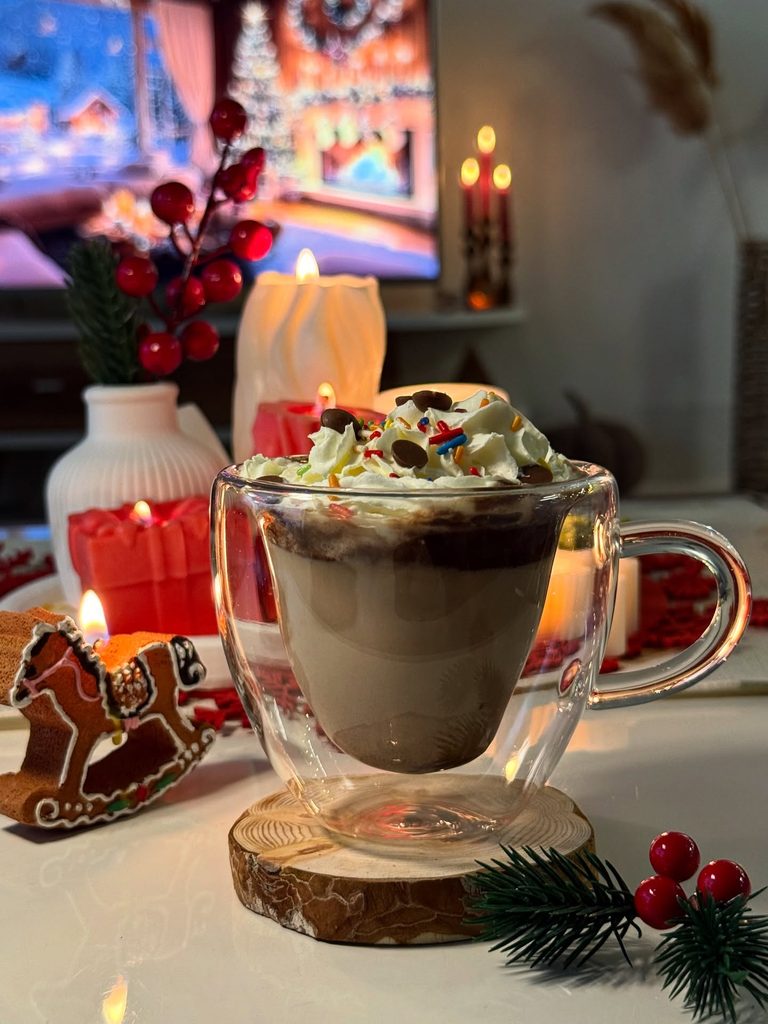
Serve hot chocolate after the plates are cleared, with whipped cream and sprinkles for guests to add themselves. Make the base before dinner, then warm it gently while you clear the table; high heat can scorch the milk, so stir along the bottom and avoid a boil.
Small mugs leave room for toppings without turning each serving into another dessert. Fill them below the rim so the cream does not push hot chocolate over the edge. Put toppings out just before serving, and leave candles away from the mugs so guests can reach for them safely.
Cheese Tree Appetizer Board
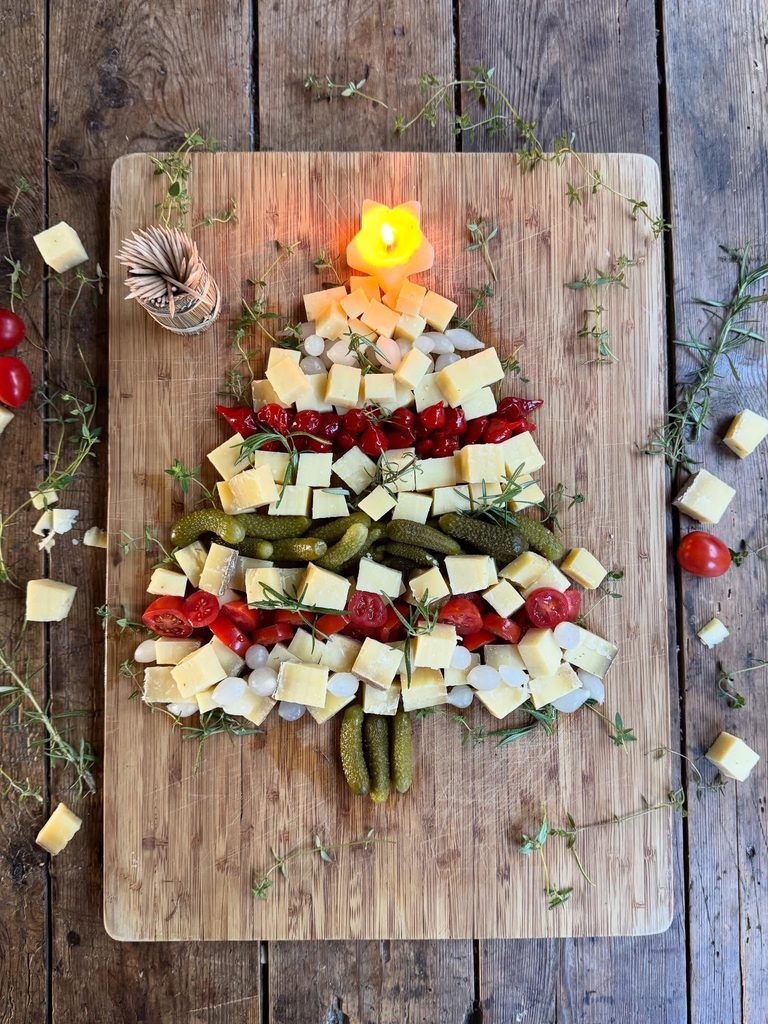
A Christmas tree laid out on a cutting board with cheese cubes gives guests something to eat while you finish the main course, and it needs no oven. The base here is a firm yellow cheese, cut into cubes about the size of a die. Each tier alternates with a different color, so the shape holds without any dip or spread underneath.
The colored layers are small red peppers packed in brine, then halved cherry tomatoes, then cocktail onions and cornichons. The cornichons make the trunk, and a few cherry tomatoes and onions fill in the bottom edge. Sprigs of fresh thyme are tucked between the layers to break up the rows and add a little green.
If you can’t find the pickled peppers, use roasted red peppers cut into small squares, or just use more cherry tomatoes. Any firm cheese will hold the cubes, such as cheddar or gouda. A small candle on top works as the star, but I’d set it in a proper holder rather than directly on the board, and keep it away from the thyme.
Browned Stuffed Mushrooms
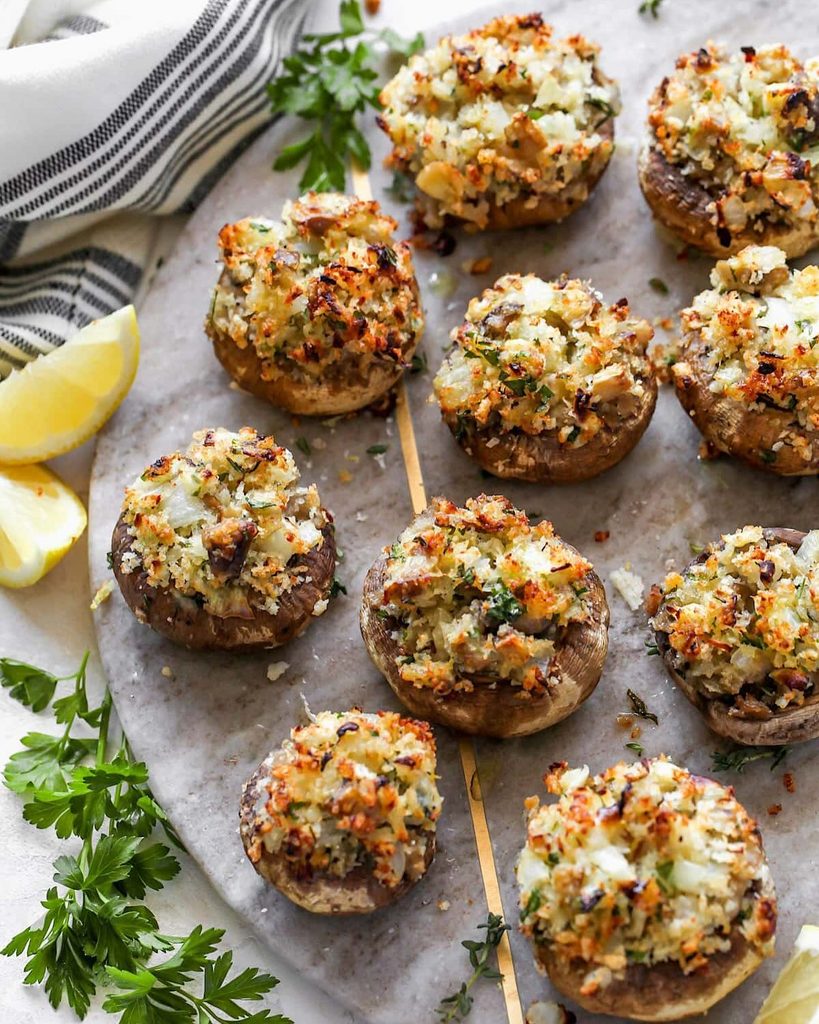
With the crumb topping browned at the edges, stuffed mushrooms bring a crisp bite to the first course. The contrast with the soft mushroom caps keeps each one from feeling heavy before dinner. Without that toasted surface, the filling would taste soft all the way through and look pale on the platter.
Prepare the filling earlier in the day, then fill the caps and bake them shortly before guests sit down. Give the topping time to brown, and serve the mushrooms while it is still crisp. A few lemon wedges on the platter offer a bright finish.
Tomato and Soft Cheese Toasts
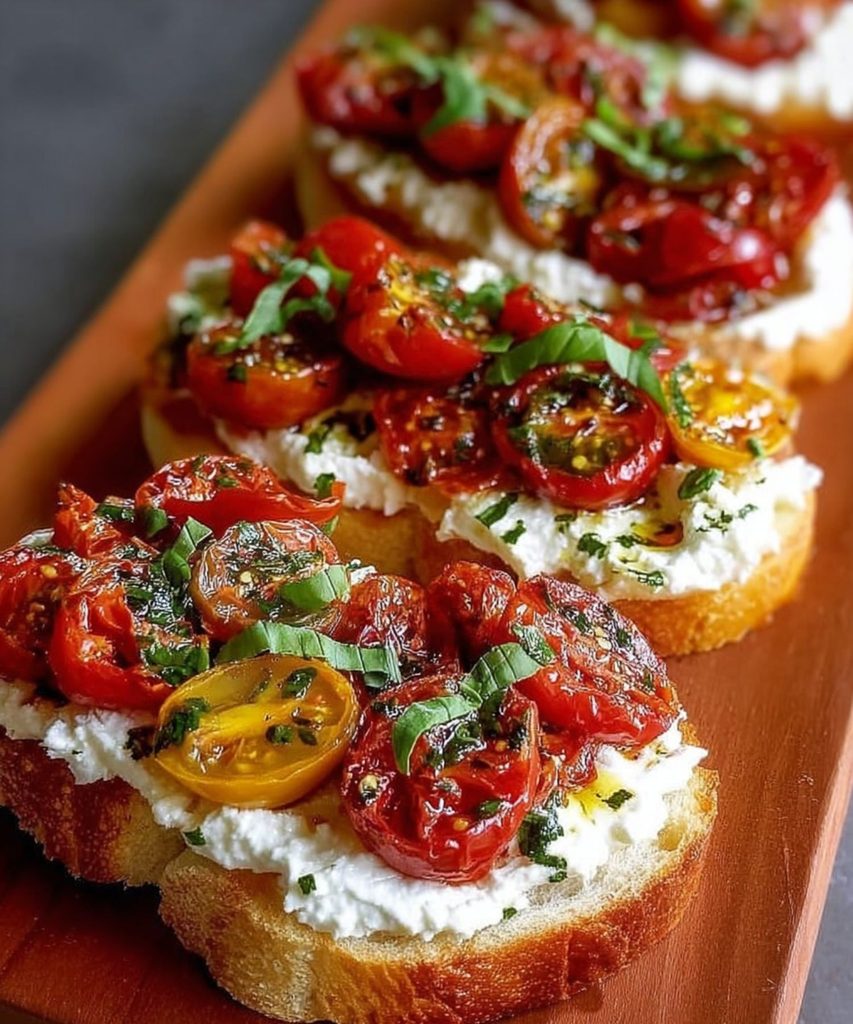
Set out tomato and soft cheese toasts where guests will gather for drinks, away from the table you’ve laid for dinner. Place the slices on a wooden board within reach of small plates and napkins. Assemble them shortly before guests arrive so the bread holds up beneath the cheese and tomato juices.
Puff Pastry Pinwheel Appetizers
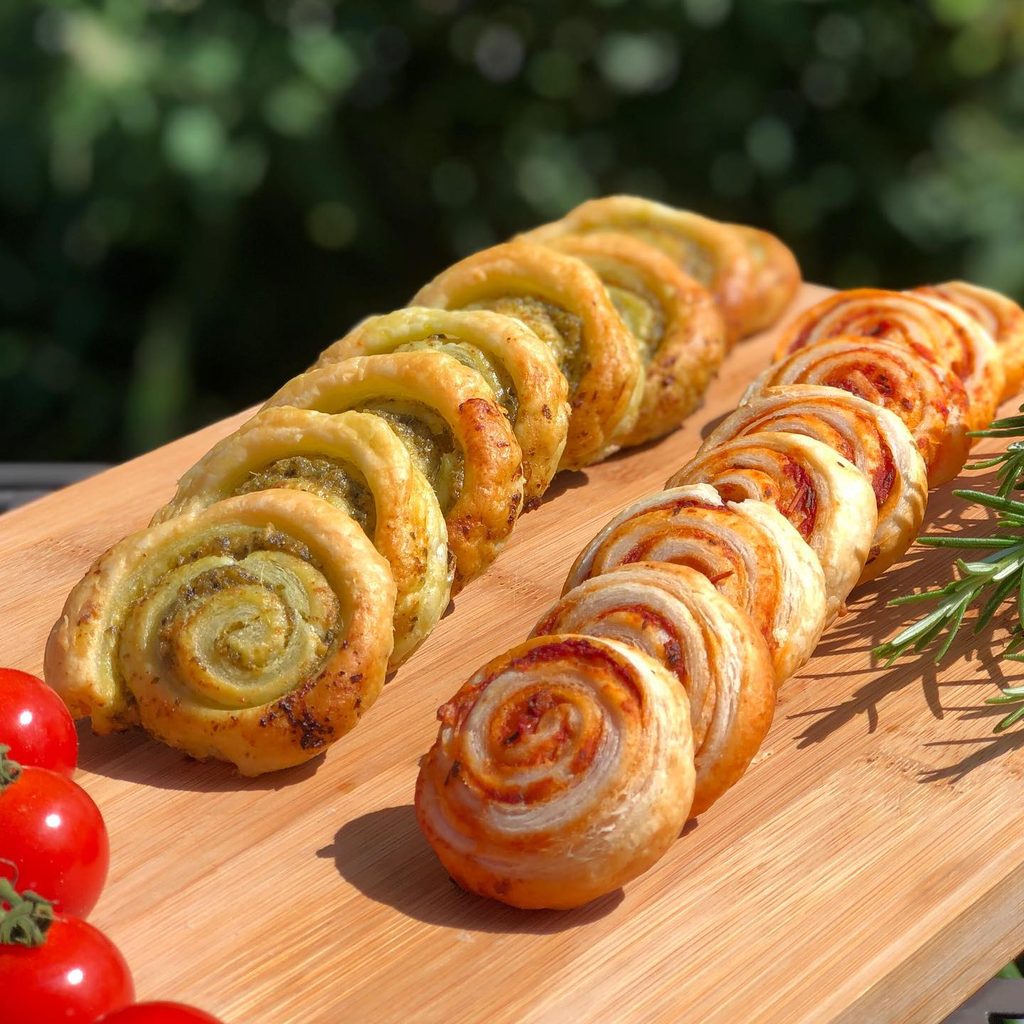
Pinwheels made from store-bought puff pastry are one of the easier things to put out before the main meal, and most of the trouble comes from the rolling. If the filling goes on thick, it squeezes out the sides in the oven and burns on the tray, and the spirals come out loose and lopsided. A thin, even layer spread nearly to the edge is enough. Pesto and a tomato paste both work that way, and the two rows here show it: the swirls stay tight and the filling stays in the layers instead of on the board.
Chill the log before you slice it. Warm pastry smears under the knife and the rounds flatten, so cut them about as thick as your thumb once the roll feels firm. Use a sharp knife and a sawing motion rather than pressing down.
Bake them cut side up with a little space between each one, because they puff more than you expect. I’d make them in the morning and warm them for a few minutes before guests arrive, since they go limp if they sit covered for long.
Shrimp and Avocado Cups
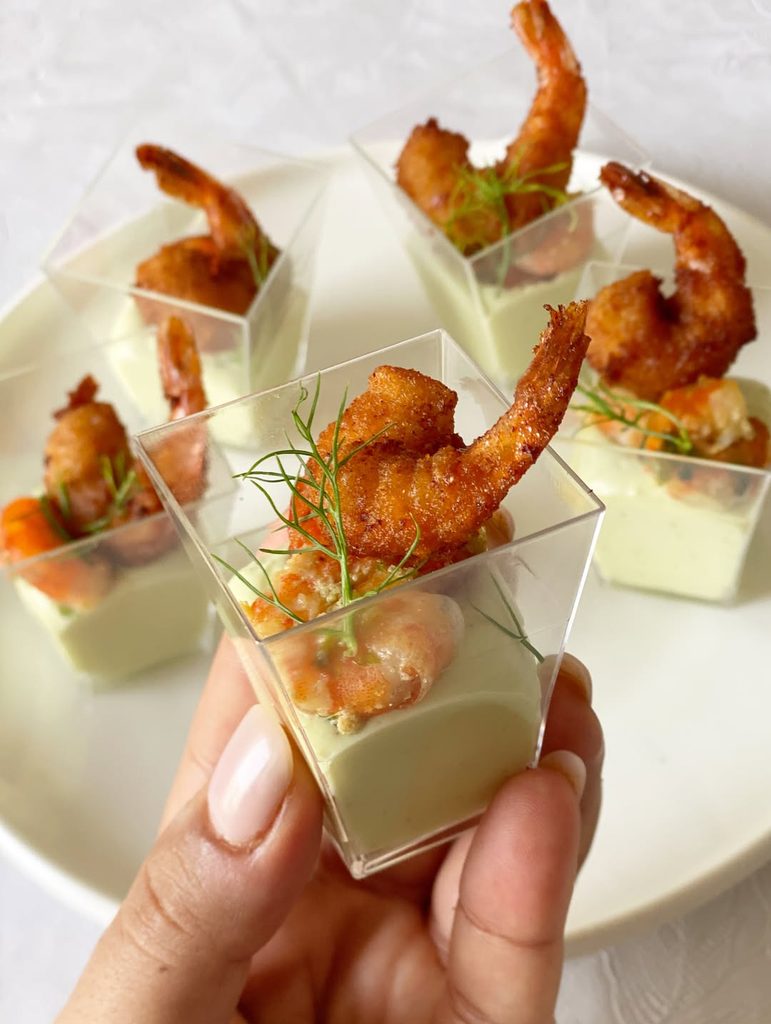
A spoonful of avocado cream gives these shrimp starters a cool base beneath crunchy fried shrimp. Blend ripe avocado with lime juice, a little sour cream, salt, and pepper; Greek yogurt can stand in for the sour cream, or use extra lime and oil for a dairy-free version. Dip peeled shrimp in beaten egg, coat them in breadcrumbs, and fry until crisp. Spoon the avocado mixture into small clear cups, add a cooked shrimp, then perch a crispy one on top.
Finish with a few fine herb sprigs. Chill the cups before serving, and fry the shrimp close to dinner.
Roast Chicken and Potatoes
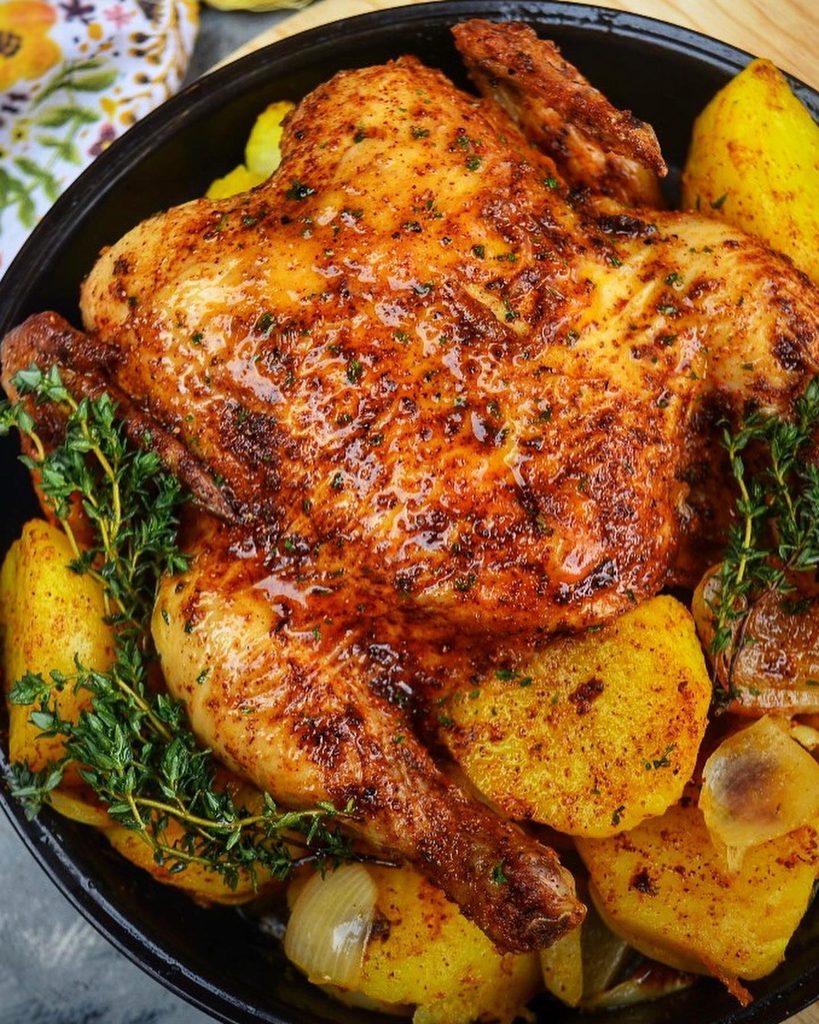
For a small Christmas dinner, roast a chicken with potatoes in one pan rather than making room for a turkey. Put this on the menu before you plan the sides, since the potatoes are already covered and you can focus on greens, gravy and something to serve first.
Work backward from dinner time using the bird’s weight, and leave time for it to rest before carving. During that rest, finish the gravy and give the potatoes more oven time if they need it. Carve in the kitchen, then bring the chicken and potatoes to the table on a platter that guests can pass.
Glazed Baked Ham
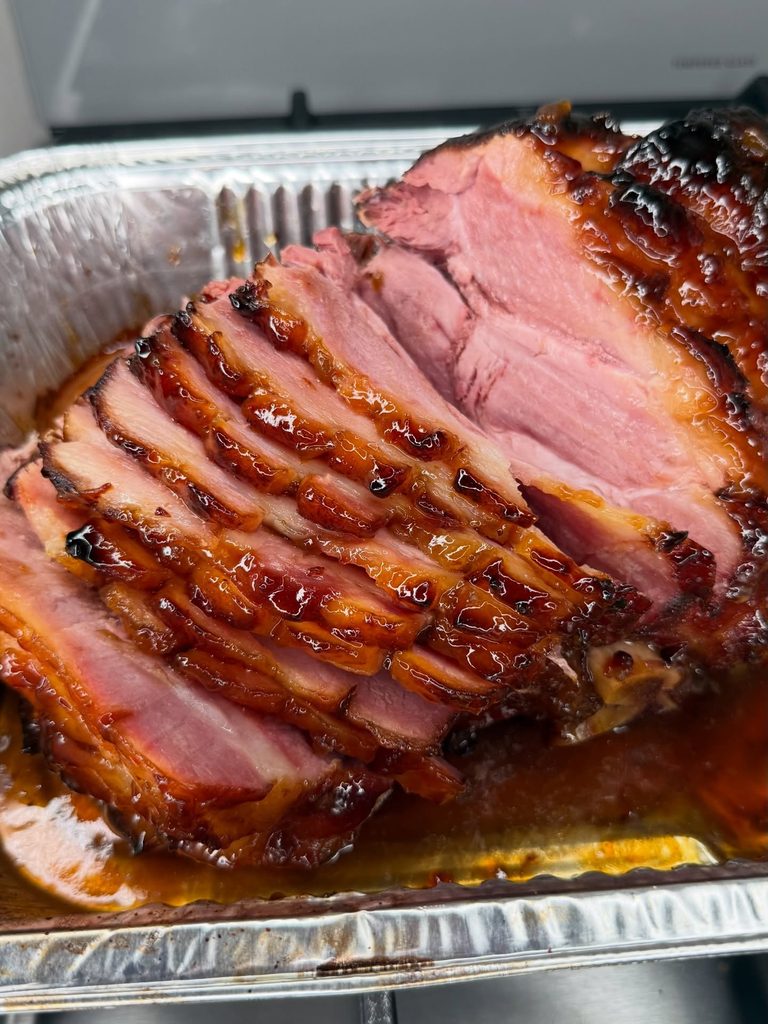
Slice the ham before guests arrive, then pour the pan juices back over it. Glaze it in the last half hour of baking so the sugar caramelizes without burning. The edges here went dark and a little black, so I’d pull it a few minutes sooner. Let it rest before cutting, and the slices hold together.
Beef Wellington Centerpiece
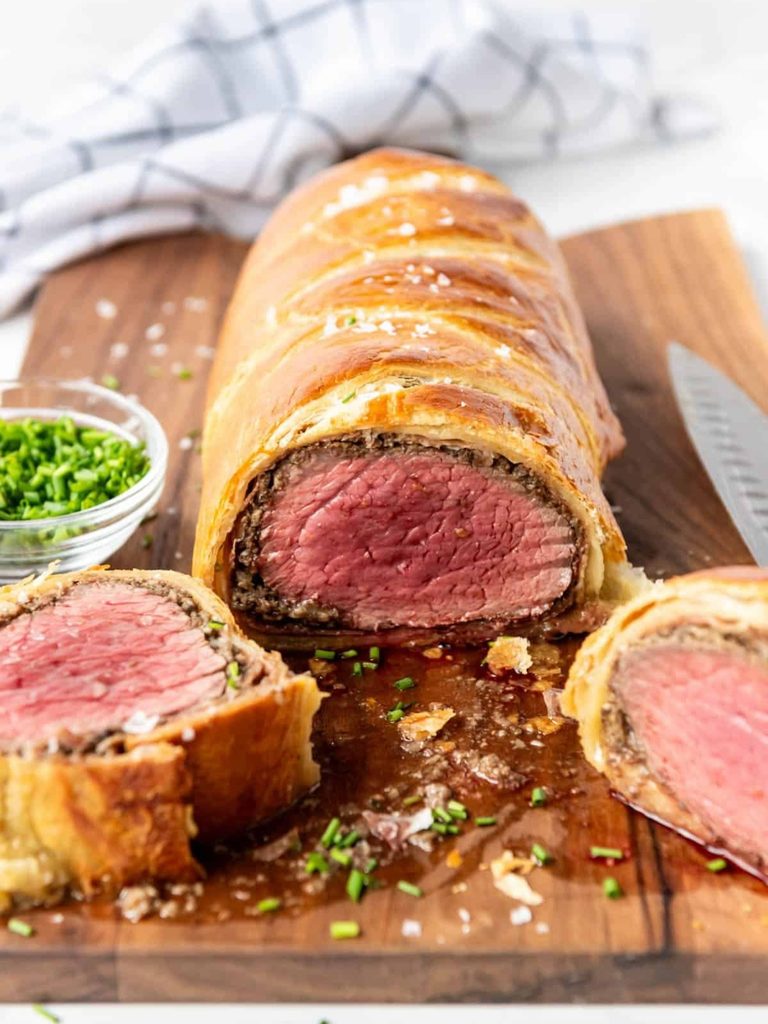
Under a browned pastry crust, the beef stays the focus, and each slice shows a rosy center. Let the Wellington rest before carving so the juices settle and the pastry is less likely to break apart. Serve it on a board and slice at the table; without that crisp shell, the roast loses its defining contrast.
Red Berry Branches
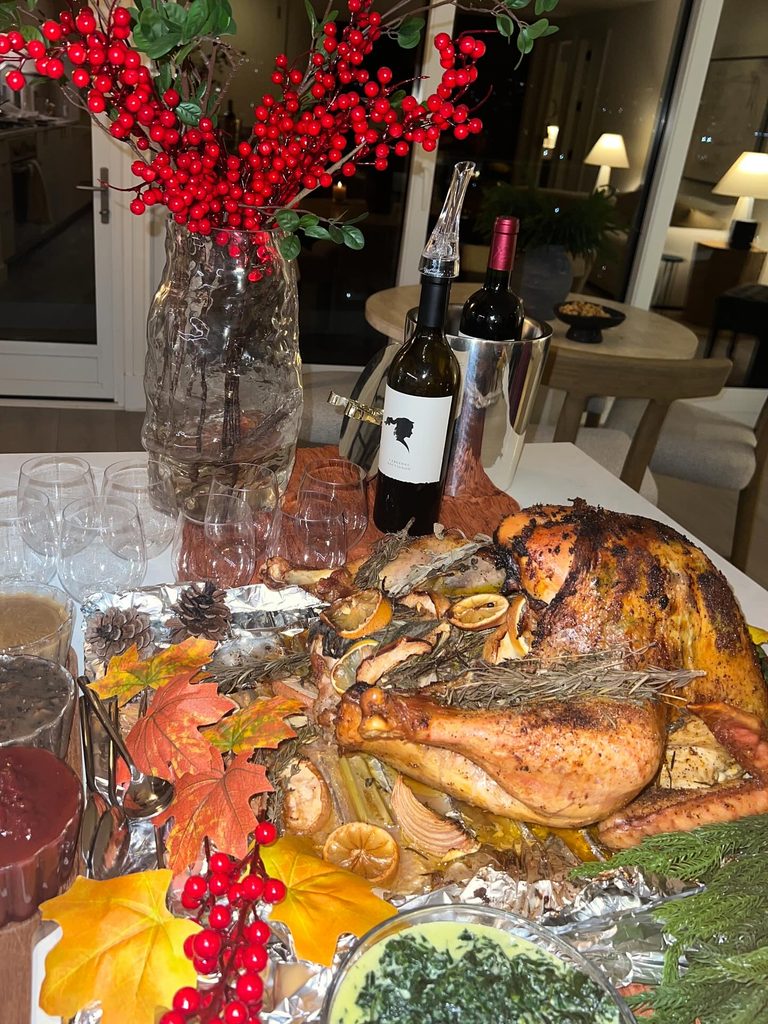
Cut red berry branches low for the dinner table rather than leaving them tall enough to block faces. A squat glass vase keeps the color close to the plates, while a few stems give you room to pass bowls and set down serving spoons. Save a tall glass vase and long branches for a sideboard, where their height won’t get between guests or crowd the turkey when it comes to the table.
Baked Lasagna as the Main
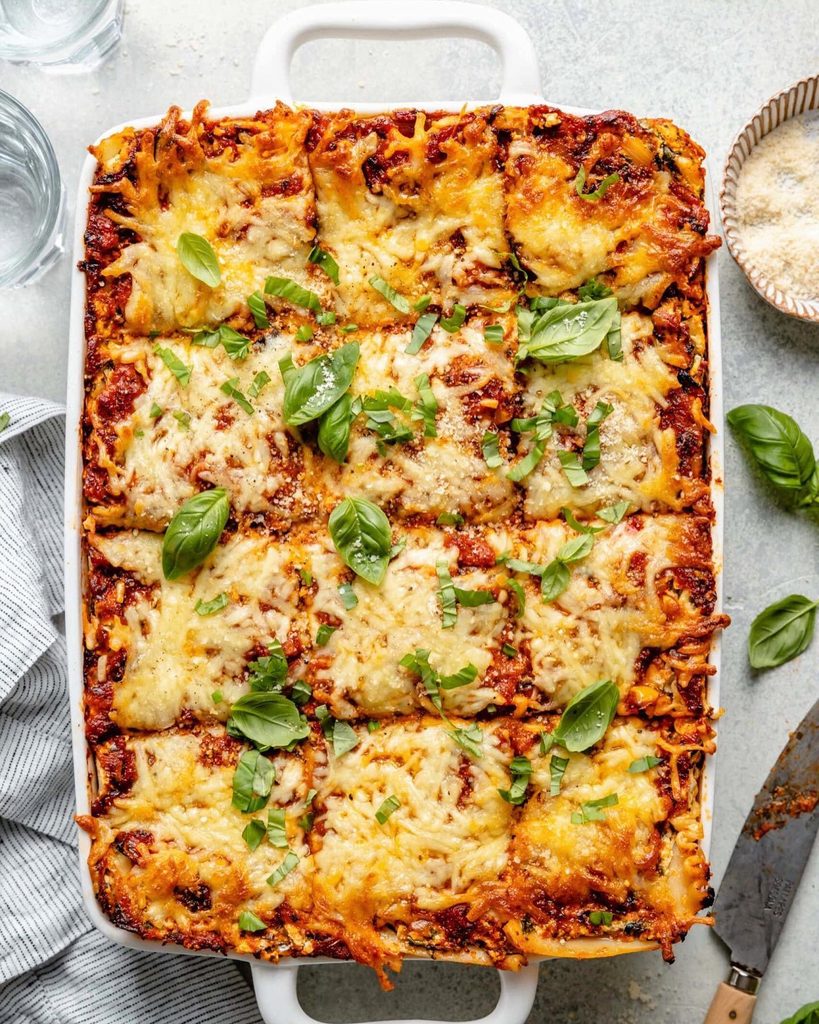
A big pan of lasagna is for the host who wants to be at the table when the guests sit down. It can be assembled the day before and baked while everyone has drinks, and a 9×13 dish cut into twelve squares feeds a full table with leftovers. That makes it a good fit for a crowd that includes kids, picky eaters, or anyone who wants a main they don’t have to think about.
If you want a showpiece roast carried in and carved at the table, pick a different idea from the list. Lasagna is also a poor match for a formal plated course. I’d scatter the basil right before serving so it stays green.
Sausage-Stuffed Squash
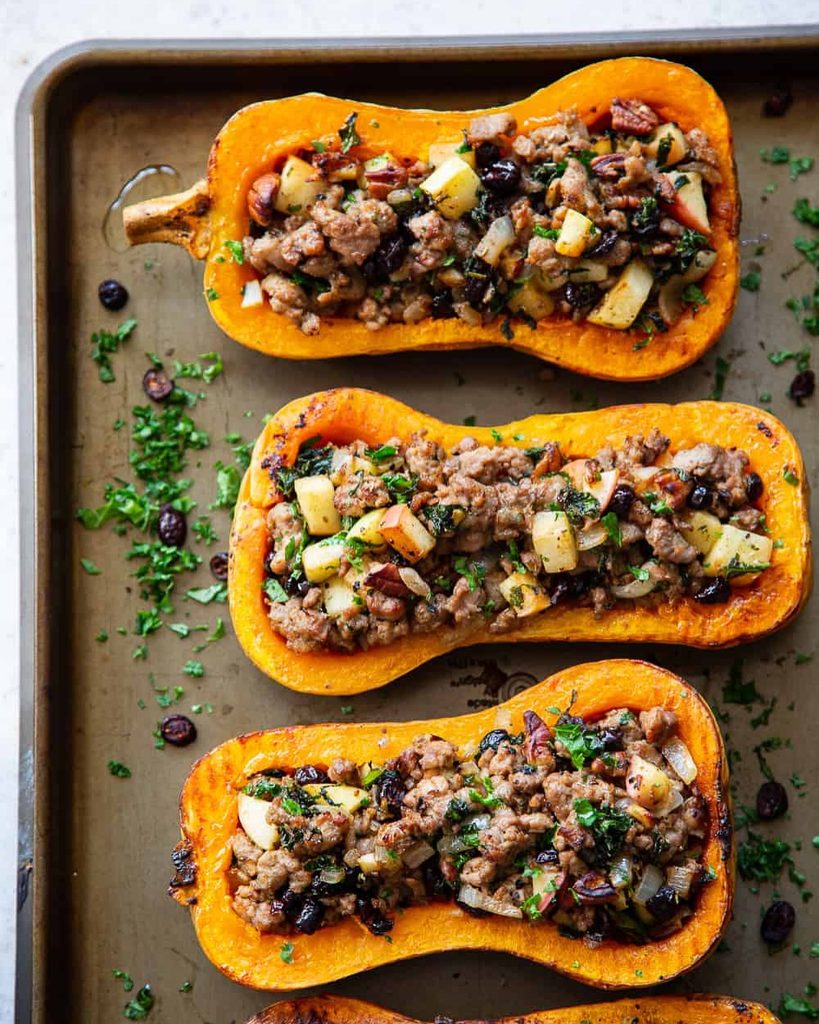
Roasted squash halves make a generous main that can be mostly prepared before guests arrive. The day before, cook sausage with chopped apple, dried fruit, nuts and herbs, then cool the filling and refrigerate it. On dinner day, roast halved squash cut-side down until the flesh gives easily to a fork. That tenderness is the step to watch: the squash needs to be nearly cooked before you fill it, or the topping can brown before the centers soften.
Spoon in the chilled filling and return the squash to the oven until the meat is hot throughout. Set the halves on a platter and bring them to the table whole; guests can take a portion without needing a separate serving dish for the filling.
Offer Smaller Portions of Risotto
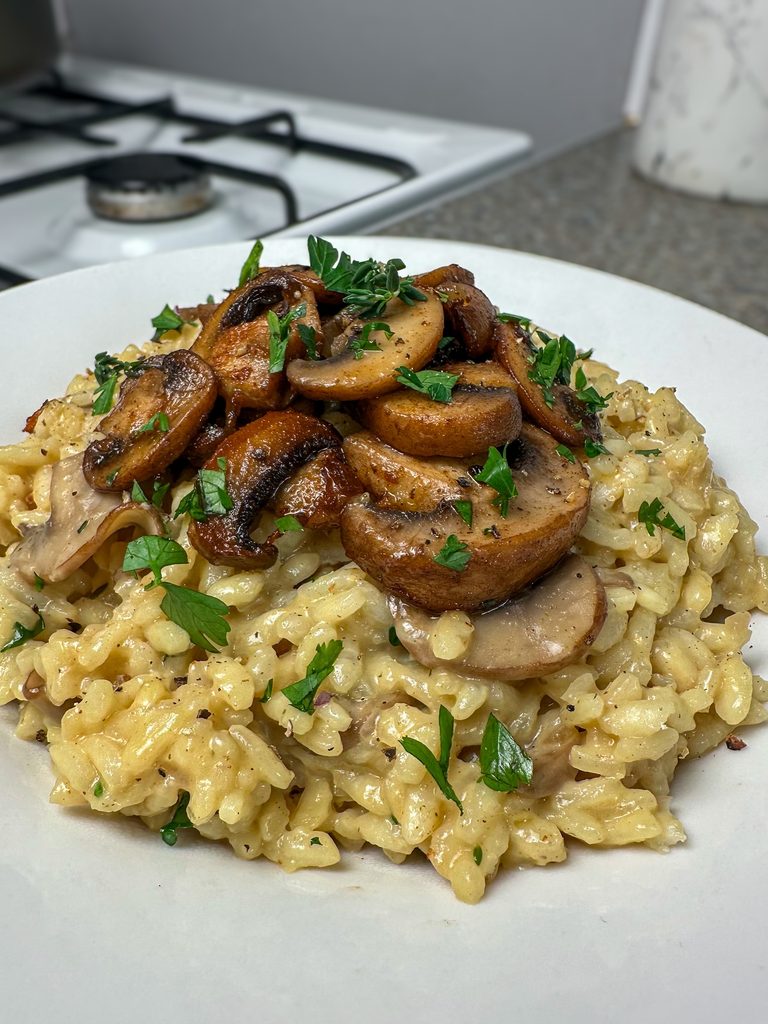
Serve mushroom risotto as a small first course rather than a full plate if you’re following it with a roast. A shallow scoop in the centre of each plate leaves room for a few thick mushroom slices on top, so each serving still has plenty of browned edges without filling guests up before the main course. Add chopped parsley at the end, where its green stands out against the rice.
For this smaller serving, cut the mushrooms thick enough to hold their shape instead of chopping them all into the rice. Brown them separately, stir some through, and hold the rest for the top so they don’t disappear into the sauce. Measure out the rice before guests arrive and have the plates ready, but leave the final cooking until close to serving; risotto thickens as it stands, which makes it harder to portion neatly.
Toilet Paper Cup Game
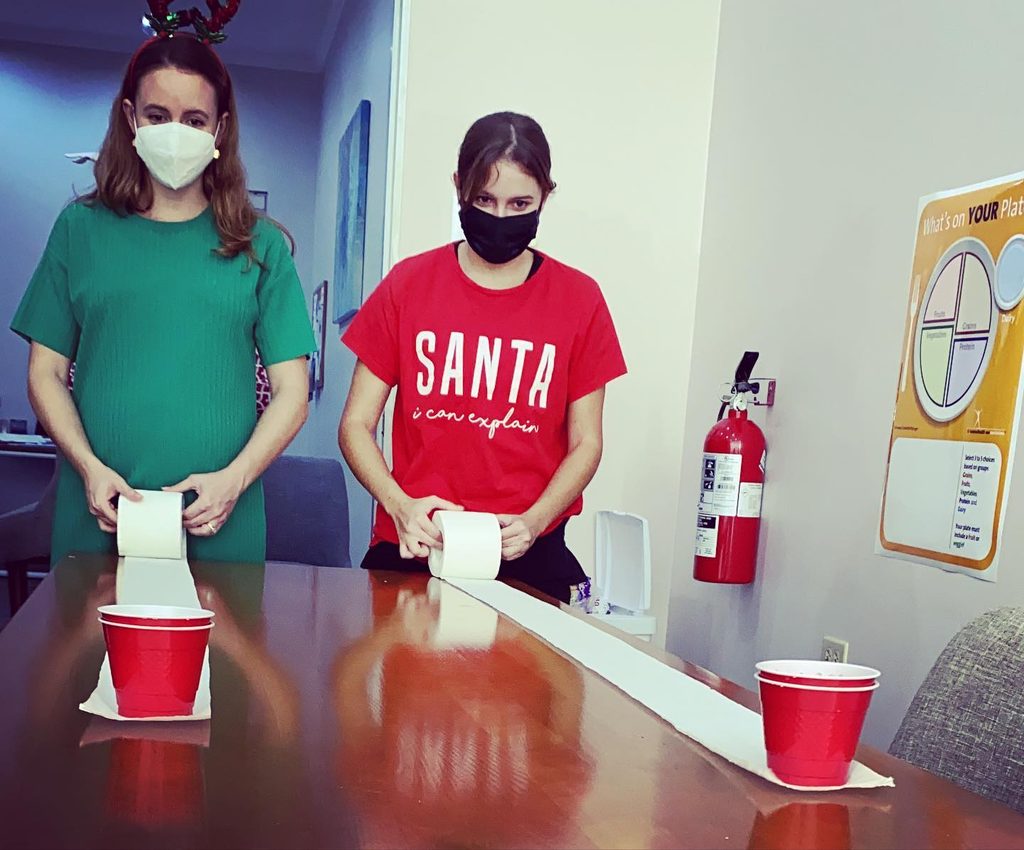
Two people each hold a roll of toilet paper and unroll it down the table toward a red cup at the far end. The first to get the paper all the way to their cup wins. The detail that matters is a polished table: the paper slides straight. On a rough or cloth-covered surface, it would snag and curl.
Assign a Serving Crew

A large pot is easier to move when someone clears the path and another person takes the other side. Ask two helpers to bring soup, gravy or mulled cider from the kitchen to the serving table, rather than carrying it through a crowded room alone.
Set the serving spot close to the kitchen, with a heat-safe surface and room for ladles and bowls. Before guests arrive, agree on who will move each dish and when; bring hot food out just before dinner, not while people are gathering around the table. If the pot is heavy, leave it on the stove and transfer smaller amounts to a serving bowl. That keeps the route clear and gives guests a manageable dish to pass.
Christmas Jeopardy Board
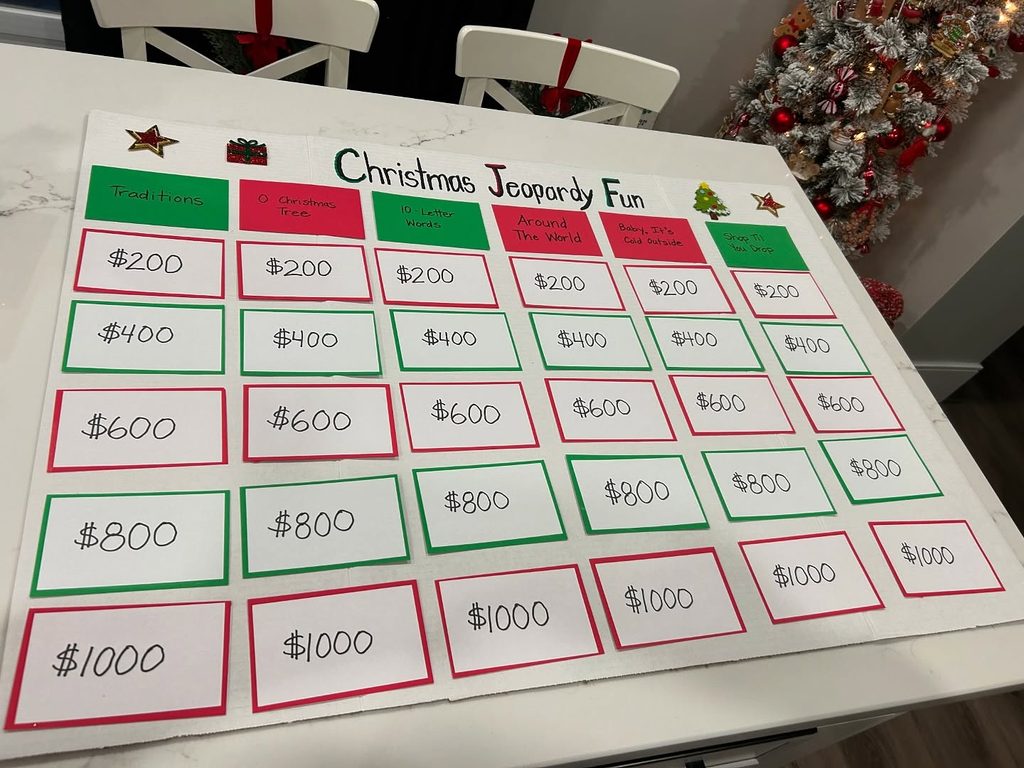
Make a Christmas Jeopardy board for after dinner with poster board, red and green paper, and a black marker. Arrange category headings above rows of score cards, with questions written on the backs. A flattened cardboard box and plain paper with colored borders work if you don’t have those supplies.
Plan a Gift Exchange
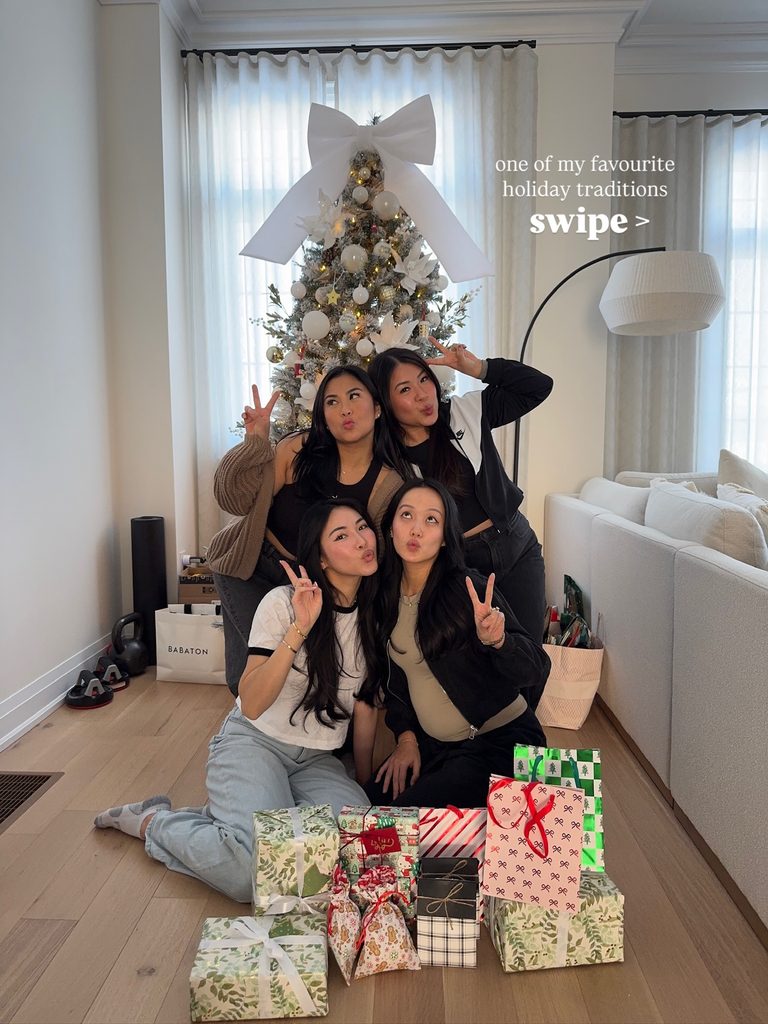
A gift exchange falls apart when the rules only exist in the host’s head. One guest arrives with something expensive, another picks something up on the way over, and both feel a little awkward once the paper comes off. Put a spending limit in the invitation, and say whether names are drawn or everyone brings one gift for a swap.
Wrapping causes the second problem. A pile of mismatched parcels is hard to sort, and loose stick-on tags fall off. Using one or two papers, say a leafy green and a striped red, with a ribbon on each box, makes the pile look like a set. Write the name on a tag tied to the ribbon, not on the paper itself.
Save the opening for after dessert, because gifts passed around between courses mean cold food. I’d set the pile beside the tree, not on the dinner table, so nobody has to move it when plates go down.
Christmas Movie Emoji Quiz
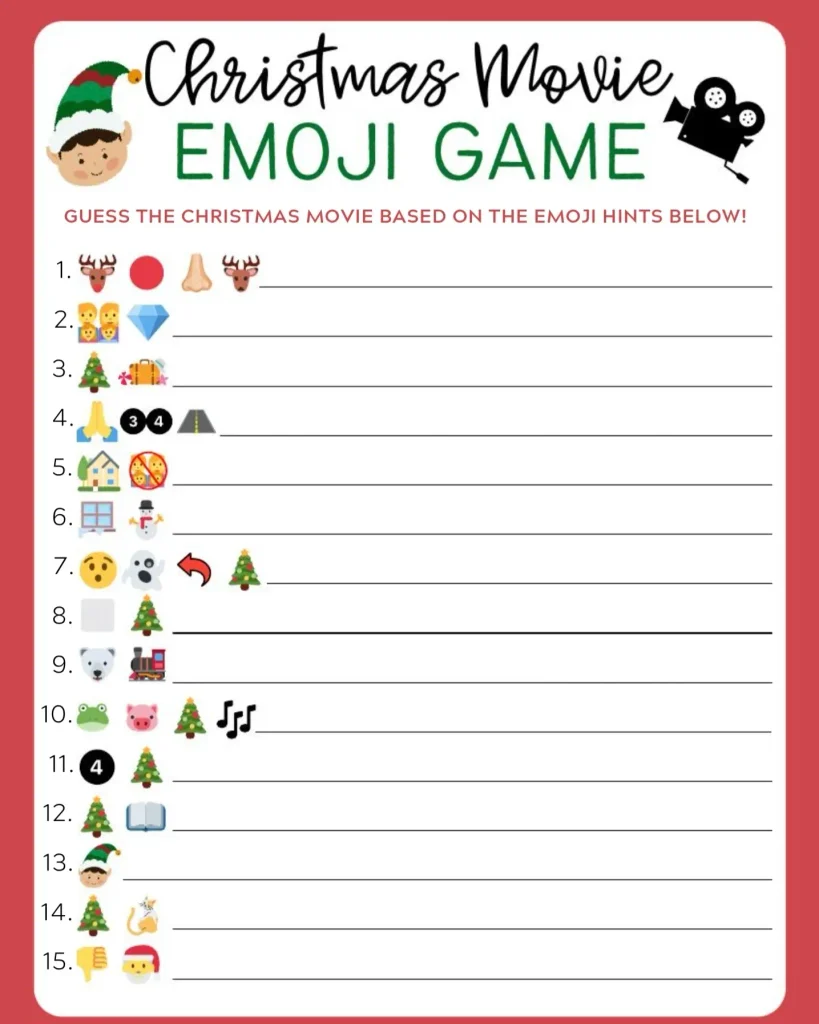
SUBHEADING: Christmas Movie Emoji Quiz
Between dinner and dessert, a Christmas movie emoji quiz gives guests a low-key group activity that needs little space or setup. It works best for families, friends, and mixed-age groups who know a few holiday films and enjoy guessing together. The clues can prompt conversation even when nobody gets the answer right away.
Guests who do not watch Christmas movies, or who would rather talk than compete, may feel left out. For a more formal dinner or a group with unfamiliar guests, choose an activity that does not depend on shared film knowledge. Hand out the quiz after the meal, and let people answer in teams.
